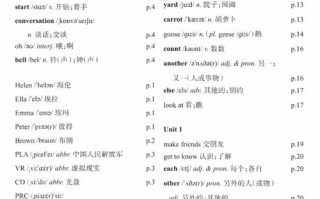
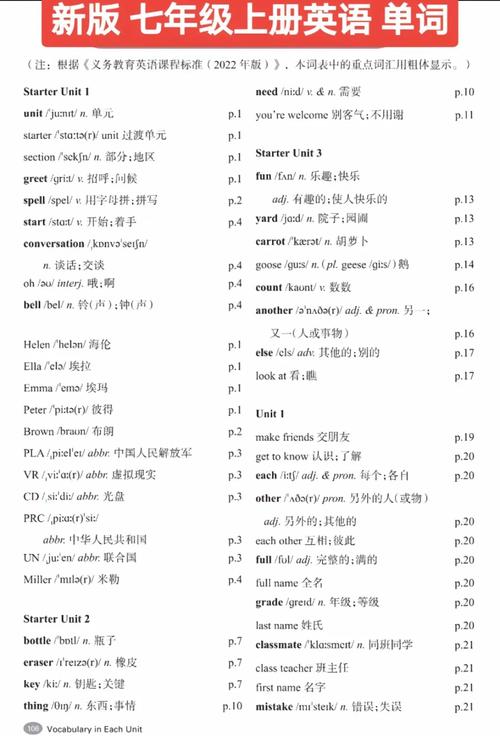
这份单词表的核心目标是帮助学生顺利衔接小学和初中,覆盖了小学阶段最核心、最基础的词汇,并适当加入了一些初中即将接触的基础词汇,让学生在升入初一前能够“温故知新”,为初中英语学习打下坚实的基础。
初一英语预备课程核心词汇表
这份单词表按照主题分类,方便学生记忆和使用,每个单词都配有音标、词性、中文释义和例句。
第一部分:人物与家庭
| 单词 | 音标 | 词性 | 中文释义 | 例句 |
|---|---|---|---|---|
| I | /aɪ/ | pron. | 我 | I am a student. (我是一名学生。) |
| you | /juː/ | pron. | 你;你们 | You are my friend. (你是我的朋友。) |
| he | /hiː/ | pron. | 他 | He is my brother. (他是我的哥哥。) |
| she | /ʃiː/ | pron. | 她 | She is my sister. (她是我的妹妹。) |
| it | /ɪt/ | pron. | 它 | It is a cat. (它是一只猫。) |
| we | /wiː/ | pron. | 我们 | We are in the same class. (我们在同一个班级。) |
| they | /ðeɪ/ | pron. | 他们;她们;它们 | They are my parents. (他们是我的父母。) |
| family | /ˈfæməli/ | n. | 家庭;家人 | This is my family. (这是我的家庭。) |
| father | /ˈfɑːðə(r)/ | n. | 父亲;爸爸 | My father is a doctor. (我的爸爸是一名医生。) |
| mother | /ˈmʌðə(r)/ | n. | 母亲;妈妈 | My mother is a teacher. (我的妈妈是一名老师。) |
| parent | /ˈpeərənt/ | n. | 父亲;母亲 | My parents love me. (我的父母爱我。) |
| brother | /ˈbrʌðə(r)/ | n. | 兄;弟 | I have one brother. (我有一个兄弟。) |
| sister | /ˈsɪstə(r)/ | n. | 姐;妹 | She has two sisters. (她有两个姐妹。) |
| grandmother | /ˈɡrænmʌðə(r)/ | n. | 祖母;外祖母 | My grandmother is very kind. (我的祖母很和蔼。) |
| grandfather | /ˈɡrænfɑːðə(r)/ | n. | 祖父;外祖父 | My grandfather is old. (我的祖父年纪大了。) |
| son | /sʌn/ | n. | 儿子 | They have a son. (他们有一个儿子。) |
| daughter | /ˈdɔːtə(r)/ | n. | 女儿 | They have a daughter. (他们有一个女儿。) |
| boy | /bɔɪ/ | n. | 男孩 | There is a boy over there. (那边有一个男孩。) |
| girl | /ɡɜːrl/ | n. | 女孩 | That girl is my classmate. (那个女孩是我的同学。) |
| baby | /ˈbeɪbi/ | n. | 婴儿 | The baby is sleeping. (婴儿正在睡觉。) |
| friend | /frend/ | n. | 朋友 | Lily is my good friend. (莉莉是我的好朋友。) |
| classmate | /ˈklɑːsmeɪt/ | n. | 同班同学 | He is my new classmate. (他是我的新同学。) |
第二部分:数字、颜色与时间
| 单词 | 音标 | 词性 | 中文释义 | 例句 |
|---|---|---|---|---|
| one | /wʌn/ | num. | 一 | I have one pen. (我有一支钢笔。) |
| two | /tuː/ | num. | 二 | There are two books. (有两本书。) |
| three | /θriː/ | num. | 三 | He is three years old. (他三岁了。) |
| four | /fɔː(r)/ | num. | 四 | There are four seasons. (有四个季节。) |
| five | /faɪv/ | num. | 五 | I need five apples. (我需要五个苹果。) |
| six | /sɪks/ | num. | 六 | She has six dolls. (她有六个洋娃娃。) |
| seven | /ˈsevn/ | num. | 七 | There are seven days in a week. (一周有七天。) |
| eight | /eɪt/ | num. | 八 | It's eight o'clock. (现在八点了。) |
| nine | /naɪn/ | num. | 九 | My phone number is 123-4567-8910. (我的电话号码是123-4567-8910。) |
| ten | /ten/ | num. | 十 | I have ten fingers. (我有十根手指。) |
| eleven | /ɪˈlevn/ | num. | 十一 | There are eleven students. (有十一个学生。) |
| twelve | /twelv/ | num. | 十二 | It's her twelfth birthday. (是她十二岁的生日。) |
| thirteen | /ˌθɜːˈtiːn/ | num. | 十三 | ... |
| fourteen | /ˌfɔːˈtiːn/ | num. | 十四 | ... |
| fifteen | /ˌfɪfˈtiːn/ | num. | 十五 | ... |
| sixteen | /ˌsɪksˈtiːn/ | num. | 十六 | ... |
| seventeen | /ˌsevnˈtiːn/ | num. | 十七 | ... |
| eighteen | /ˌeɪˈtiːn/ | num. | 十八 | ... |
| nineteen | /ˌnaɪnˈtiːn/ | num. | 十九 | ... |
| twenty | /ˈtwenti/ | num. | 二十 | ... |
| thirty | /ˈθɜːti/ | num. | 三十 | ... |
| forty | /ˈfɔːti/ | num. | 四十 | ... |
| fifty | /ˈfɪfti/ | num. | 五十 | ... |
| sixty | /ˈsɪksti/ | num. | 六十 | ... |
| seventy | /ˈsevnti/ | num. | 七十 | ... |
| eighty | /ˈeɪti/ | num. | 八十 | ... |
| ninety | /ˈnaɪnti/ | num. | 九十 | ... |
| hundred | /ˈhʌndrəd/ | num. | 百 | There are one hundred students. (有一百名学生。) |
| red | /red/ | adj. & n. | 红色的;红色 | The apple is red. (这个苹果是红色的。) |
| yellow | /ˈjeləʊ/ | adj. & n. | 黄色的;黄色 | The banana is yellow. (香蕉是黄色的。) |
| blue | /bluː/ | adj. & n. | 蓝色的;蓝色 | The sky is blue. (天空是蓝色的。) |
| green | /ɡriːn/ | adj. & n. | 绿色的;绿色 | The grass is green. (草是绿色的。) |
| black | /blæk/ | adj. & n. | 黑色的;黑色 | The cat is black. (这只猫是黑色的。) |
| white | /waɪt/ | adj. & n. | 白色的;白色 | The snow is white. (雪是白色的。) |
| orange | /ˈɒrɪndʒ/ | adj. & n. | 橙色的;橙色;橙子 | I like oranges. (我喜欢橙子。) |
| purple | /ˈpɜːpl/ | adj. & n. | 紫色的;紫色 | This flower is purple. (这朵花是紫色的。) |
| pink | /pɪŋk/ | adj. & n. | 粉色的;粉色 | Her dress is pink. (她的裙子是粉色的。) |
| brown | /braʊn/ | adj. & n. | 棕色的;棕色 | The bear is brown. (熊是棕色的。) |
| gray / grey | /ɡreɪ/ | adj. & n. | 灰色的;灰色 | The elephant is gray. (大象是灰色的。) |
| Monday | /ˈmʌndeɪ/ | n. | 星期一 | I have math on Monday. (我星期一有数学课。) |
| Tuesday | /ˈtjuːzdeɪ/ | n. | 星期二 | ... |
| Wednesday | /ˈwenzdeɪ/ | n. | 星期三 | ... |
| Thursday | /ˈθɜːzdeɪ/ | n. | 星期四 | ... |
| Friday | /ˈfraɪdeɪ/ | n. | 星期五 | I love Friday! (我爱星期五!) |
| Saturday | /ˈsætədeɪ/ | n. | 星期六 | I play football on Saturday. (我星期六踢足球。) |
| Sunday | /ˈsʌndeɪ/ | n. | 星期日 | I go to church on Sunday. (我星期日去教堂。) |
| year | /jɪə(r)/ | n. | 年 | This year is 2025. (今年是2025年。) |
| month | /mʌnθ/ | n. | 月;月份 | There are twelve months in a year. (一年有十二个月。) |
| week | /wiːk/ | n. | 周;星期 | I go to school five days a week. (我一周上学五天。) |
| day | /deɪ/ | n. | 天;一日 | What day is it today? (今天星期几?) |
| today | /təˈdeɪ/ | adv. & n. | 今天 | Today is sunny. (今天天气晴朗。) |
| tomorrow | /təˈmɒrəʊ/ | adv. & n. | 明天 | I will do my homework tomorrow. (我明天会做作业。) |
| yesterday | /ˈjestədeɪ/ | n. & adv. | 昨天 | I watched a movie yesterday. (我昨天看了一场电影。) |
| morning | /ˈmɔːnɪŋ/ | n. | 早晨;上午 | Good morning! (早上好!) |
| afternoon | /ˌɑːftəˈnuːn/ | n. | 下午 | Good afternoon! (下午好!) |
| evening | /ˈiːvnɪŋ/ | n. | 晚上 | Good evening! (晚上好!) |
| night | /naɪt/ | n. | 夜晚 | Good night! (晚安!) |
第三部分:学校与学习
| 单词 | 音标 | 词性 | 中文释义 | 例句 |
|---|---|---|---|---|
| school | /skuːl/ | n. | 学校 | I go to school every day. (我每天都去学校。) |
| class | /klɑːs/ | n. | 班级;课 | We have three classes this morning. (我们今天上午有三节课。) |
| teacher | /ˈtiːtʃə(r)/ | n. | 老师 | Our English teacher is very nice. (我们的英语老师很好。) |
| student | /ˈstuːdnt/ | n. | 学生 | I am a student. (我是一名学生。) |
| book | /bʊk/ | n. | 书 | I read a book. (我读一本书。) |
| bag | /bæɡ/ | n. | 书包;包 | I put my books in my bag. (我把书放进我的书包里。) |
| pencil | /ˈpensl/ | n. | 铅笔 | I write with a pencil. (我用铅笔写字。) |
| pen | /pen/ | n. | 钢笔 | My pen is blue. (我的钢笔是蓝色的。) |
| ruler | /ˈruːlə(r)/ | n. | 尺子 | I draw a line with a ruler. (我用尺子画一条线。) |
| eraser | /ɪˈreɪzə(r)/ | n. | 橡皮擦 | I use an eraser to erase mistakes. (我用橡皮擦擦掉错误。) |
| desk | /desk/ | n. | 书桌 | My desk is clean. (我的书桌很干净。) |
| chair | /tʃeə(r)/ | n. | 椅子 | I sit on a chair. (我坐在椅子上。) |
| blackboard | /ˈblækbɔːd/ | n. | 黑板 | The teacher writes on the blackboard. (老师在黑板上写字。) |
| homework | /ˈhəʊmwɜːk/ | n. | 家庭作业 | I do my homework in the evening. (我在晚上做家庭作业。) |
| classroom | /ˈklɑːsruːm/ | n. | 教室 | Our classroom is big and bright. (我们的教室又大又明亮。) |
| library | /ˈlaɪbrəri/ | n. | 图书馆 | I often go to the library. (我经常去图书馆。) |
| bookstore | /ˈbʊkstɔː(r)/ | n. | 书店 | I buy books at the bookstore. (我在书店买书。) |
| English | /ˈɪŋɡlɪʃ/ | n. & adj. | 英语;英国的 | I like English. (我喜欢英语。) |
| math / maths | /mæθ/ | n. | 数学 | Math is difficult but interesting. (数学很难但很有趣。) |
| Chinese | /ˌtʃaɪˈniːz/ | n. & adj. | 中文;中国的 | I speak Chinese. (我说中文。) |
| art | /ɑːt/ | n. | 艺术;美术 | I like art class. (我喜欢美术课。) |
| music | /ˈmjuːzɪk/ | n. | 音乐 | She loves music. (她热爱音乐。) |
| PE / P.E. | /ˌpiːˈiː/ | n. | 体育 | We have PE on Tuesday. (我们星期二有体育课。) |
| science | /ˈsaɪəns/ | n. | 科学 | Science is fun. (科学很有趣。) |
| history | /ˈhɪstəri/ | n. | 历史 | History class is boring. (历史课很无聊。) |
| geography | /dʒiˈɒɡrəfi/ | n. | 地理 | I like geography. (我喜欢地理。) |
| learn | /lɜːrn/ | v. | 学习 | We learn English at school. (我们在学校学习英语。) |
| study | /ˈstʌdi/ | v. & n. | 学习;研究 | I study for the test. (我为考试而学习。) |
| read | /riːd/ | v. | 阅读 | I read books. (我读书。) |
| write | /raɪt/ | v. | 写 | I write a letter. (我写一封信。) |
| draw | /drɔː/ | v. | 画;绘画 | I draw a picture. (我画一幅画。) |
| listen | /ˈlɪsn/ | v. | 听 | I listen to the teacher. (我听老师讲课。) |
| say | /seɪ/ | v. | 说 | He says "hello". (他说“你好”。) |
| speak | /spiːk/ | v. | 说;讲 | I speak English. (我说英语。) |
| talk | /tɔːk/ | v. & n. | 交谈;谈话 | We talk about our hobbies. (我们谈论我们的爱好。) |
第四部分:食物与饮品
| 单词 | 音标 | 词性 | 中文释义 | 例句 |
|---|---|---|---|---|
| rice | /raɪs/ | n. | 米饭 | I like rice. (我喜欢米饭。) |
| noodles | /ˈnuːdlz/ | n. | 面条 | I eat noodles for lunch. (我午餐吃面条。) |
| bread | /bred/ | n. | 面包 | I eat bread for breakfast. (我早餐吃面包。) |
| egg | /eɡ/ | n. | 鸡蛋 | I have a boiled egg. (我吃一个煮鸡蛋。) |
| meat | /miːt/ | n. | 肉 | I eat meat every day. (我每天都吃肉。) |
| fish | /fɪʃ/ | n. | 鱼 | I like fish. (我喜欢鱼。) |
| chicken | /ˈtʃɪkɪn/ | n. | 鸡;鸡肉 | I eat chicken wings. (我吃鸡翅。) |
| beef | /biːf/ | n. | 牛肉 | My father likes beef. (我爸爸喜欢牛肉。) |
| pork | /pɔːrk/ | n. | 猪肉 | ... |
| soup | /suːp/ | n. | 汤 | I have some soup. (我喝点汤。) |
| vegetable | /ˈvedʒtəbl/ | n. | 蔬菜 | Vegetables are healthy. (蔬菜很健康。) |
| apple | /ˈæpl/ | n. | 苹果 | An apple a day keeps the doctor away. (一天一苹果,医生远离我。) |
| banana | /bəˈnɑːnə/ | n. | 香蕉 | I like bananas. (我喜欢香蕉。) |
| orange | /ˈɒrɪndʒ/ | n. | 橙子 | ... |
| pear | /peə(r)/ | n. | 梨 | This pear is sweet. (这个梨很甜。) |
| grape | /ɡreɪp/ | n. | 葡萄 | I eat grapes. (我吃葡萄。) |
| strawberry | /ˈstrɔːberi/ | n. | 草莓 | I love strawberries. (我爱草莓。) |
| water | /ˈwɔːtə(r)/ | n. | 水 | I drink water. (我喝水。) |
| milk | /mɪlk/ | n. | 牛奶 | I drink milk every morning. (我每天早上喝牛奶。) |
| juice | /dʒuːs/ | n. | 果汁 | I like apple juice. (我喜欢苹果汁。) |
| tea | /tiː/ | n. | 茶 | My mother drinks tea. (我妈妈喝茶。) |
| coffee | /ˈkɒfi/ | n. | 咖啡 | My father drinks coffee. (我爸爸喝咖啡。) |
| Coke / Coca-Cola | /kəʊk/ | n. | 可口可乐 | Children like Coke. (孩子们喜欢可口可乐。) |
| breakfast | /ˈbrekfəst/ | n. | 早餐 | I eat breakfast at 7 a.m. (我早上7点吃早餐。) |
| lunch | /lʌntʃ/ | n. | 午餐 | I have lunch at school. (我在学校吃午餐。) |
| dinner / supper | /ˈdɪnə(r)/ | n. | 晚餐 | We have dinner at home. (我们在家吃晚餐。) |
| food | /fuːd/ | n. | 食物 | I like Chinese food. (我喜欢中国食物。) |
| hungry | /ˈhʌŋɡri/ | adj. | 饥饿的 | I am hungry. (我饿了。) |
| thirsty | /ˈθɜːsti/ | adj. | 口渴的 | I am thirsty. (我渴了。) |
| taste | /teɪst/ | v. & n. | 尝起来;味道 | This cake tastes good. (这个蛋糕尝起来很好吃。) |
第五部分:身体部位与动物
| 单词 | 音标 | 词性 | 中文释义 | 例句 |
|---|---|---|---|---|
| head | /hed/ | n. | 头 | I nod my head. (我点头。) |
| hair | /heə(r)/ | n. | 头发 | She has long hair. (她有长头发。) |
| face | /feɪs/ | n. | 脸 | Wash your face. (洗脸。) |
| eye | /aɪ/ | n. | 眼睛 | I have two eyes. (我有两只眼睛。) |
| ear | /ɪə(r)/ | n. | 耳朵 | I listen with my ears. (我用耳朵听。) |
| nose | /nəʊz/ | n. | 鼻子 | I smell with my nose. (我用鼻子闻。) |
| mouth | /maʊθ/ | n. | 嘴 | I eat with my mouth. (我用嘴吃。) |
| arm | /ɑːm/ | n. | 手臂 | I raise my arm. (我举起我的手臂。) |
| hand | /hænd/ | n. | 手 | I write with my hand. (我用我的手写字。) |
| finger | /ˈfɪŋɡə(r)/ | n. | 手指 | I have ten fingers. (我有十根手指。) |
| leg | /leɡ/ | n. | 腿 | I have two legs. (我有两条腿。) |
| foot (feet) | /fʊt/ | n. | 脚 | I stand on my feet. (我站在我的脚上。) |
| body | /ˈbɒdi/ | n. | 身体 | This is my body. (这是我的身体。) |
| cat | /kæt/ | n. | 猫 | The cat is sleeping. (猫在睡觉。) |
| dog | /dɒɡ/ | n. | 狗 | I have a pet dog. (我有一只宠物狗。) |
| pig | /pɪɡ/ | n. | 猪 | ... |
| duck | /dʌk/ | n. | 鸭 | ... |
| bird | /bɜːd/ | n. | 鸟 | Birds can fly. (鸟能飞。) |
| fish | /fɪʃ/ | n. | 鱼 | ... |
| rabbit | /ˈræbɪt/ | n. | 兔子 | I see a white rabbit. (我看到一只白兔。) |
| horse | /hɔːs/ | n. | 马 | ... |
| elephant | /ˈelɪfənt/ | n. | 大象 | The elephant is big. (大象很大。) |
| tiger | /ˈtaɪɡə(r)/ | n. | 老虎 | The tiger is scary. (老虎很可怕。) |
| lion | /ˈlaɪən/ | n. | 狮子 | The lion is the king of animals. (狮子是动物之王。) |
| monkey | /ˈmʌŋki/ | n. | 猴子 | Monkeys like bananas. (猴子喜欢香蕉。) |
| panda | /ˈpændə/ | n. | 熊猫 | Pandas are cute. (熊猫很可爱。) |
| bear | /beə(r)/ | n. | 熊 | ... |
| zoo | /zuː/ | n. | 动物园 | I go to the zoo. (我去动物园。) |
| pet | /pet/ | n. & v. | 宠物;喜爱 | I have a pet cat. (我有一只宠物猫。) |
第六部分:地点与方位
| 单词 | 音标 | 词性 | 中文释义 | 例句 |
|---|---|---|---|---|
| home | /həʊm/ | n. | 家;家 | I go home at 5 p.m. (我下午5点回家。) |
| room | /ruːm/ | n. | 房间 | This is my bedroom. (这是我的卧室。) |
| bedroom | /ˈbedruːm/ | n. | 卧室 | I sleep in my bedroom. (我在我的卧室睡觉。) |
| kitchen | /ˈkɪtʃɪn/ | n. | 厨房 | My mother cooks in the kitchen. (我妈妈在厨房做饭。) |
| living room | /ˈlɪvɪŋ ruːm/ | n. | 客厅 | We watch TV in the living room. (我们在客厅看电视。) |
| bathroom | /ˈbɑːθruːm/ | n. | 浴室 | I brush my teeth in the bathroom. (我在浴室刷牙。) |
| house | /haʊs/ | n. | 房子 | This is a big house. (这是一座大房子。) |
| school | /skuːl/ | n. | 学校 | ... |
| park | /pɑːk/ | n. | 公园 | I play in the park. (我在公园玩。) |
| zoo | /zuː/ | n. | 动物园 | ... |
| library | /ˈlaɪbrəri/ | n. | 图书馆 | ... |
| hospital | /ˈhɒspɪtl/ | n. | 医院 | My grandfather is in the hospital. (我的爷爷在医院里。) |
| shop / store | /ʃɒp/ | n. | 商店;商店 | I buy things at the shop. (我在商店买东西。) |
| supermarket | /ˈsuːpəmɑːkɪt/ | n. | 超市 | My mother goes to the supermarket. (我妈妈去超市。) |
| farm | /fɑːm/ | n. | 农场 | There are many animals on the farm. (农场里有很多动物。) |
| city | /ˈsɪti/ | n. | 城市 | I live in a big city. (我住在一个大城市里。) |
| country | /ˈkʌntri/ | n. | 国家;乡村 | China is a great country. (中国是一个伟大的国家。) |
| in | /ɪn/ | prep. | 在...里面 | The pen is in the box. (钢笔在盒子里。) |
| on | /ɒn/ | prep. | 在...上面 | The book is on the desk. (书在桌子上。) |
| under | /ˈʌndə(r)/ | prep. | 在...下面 | The cat is under the chair. (猫在椅子下面。) |
| near | /nɪə(r)/ | prep. & adv. | 在...附近;附近 | My school is near my home. (我的学校离我家很近。) |
| next to | /nekst tuː/ | prep. | 紧挨着;紧靠... | The library is next to the post office. (图书馆紧挨着邮局。) |
| behind | /bɪˈhaɪnd/ | prep. & adv. | 在...后面 | The tree is behind the house. (树在房子后面。) |
| in front of | /ɪn frɒnt əv/ | prep. | 在...前面 | The car is in front of the bus. (汽车在公交车前面。) |
| left | /left/ | n. & adj. | 左;左边的 | Turn left. (向左转。) |
| right | /raɪt/ | n. & adj. | 右;右边的 | Turn right. (向右转。) |
第七部分:形容词与副词
| 单词 | 音标 | 词性 | 中文释义 | 例句 |
|---|---|---|---|---|
| good | /ɡʊd/ | adj. | 好的 | This is a good book. (这是一本好书。) |
| bad | /bæd/ | adj. | 坏的 | This is bad weather. (这是坏天气。) |
| big | /bɪɡ/ | adj. | 大的 | The elephant is big. (大象很大。) |
| small | /smɔːl/ | adj. | 小的 | The mouse is small. (老鼠很小。) |
| long | /lɒŋ/ | adj. | 长的 | The river is long. (这条河很长。) |
| short | /ʃɔːt/ | adj. | 短的;矮的 | Her hair is short. (她的头发很短。) |
| tall | /tɔːl/ | adj. | 高的 | He is a tall boy. (他是一个高个子男孩。) |
| high | /haɪ/ | adj. | 高的 | The mountain is high. (山很高。) |
| low | /ləʊ/ | adj. | 低的 | The bridge is low. (这座桥很低。) |
| new | /njuː/ | adj. | 新的 | I have a new bike. (我有一辆新自行车。) |
| old | /əʊld/ | adj. | 旧的;老的 | This is an old house. (这是一座旧房子。) |
| young | /jʌŋ/ | adj. | 年轻的 | She is a young lady. (她是一位年轻的女士。) |
| happy | /ˈhæpi/ | adj. | 快乐的;高兴的 | I am happy. (我很高兴。) |
| sad | /sæd/ | adj. | 悲伤的;难过的 | She is sad. (她很难过。) |
| angry | /ˈæŋɡri/ | adj. | 生气的 | He is angry. (他生气了。) |
| tired | /ˈtaɪəd/ | adj. | 累的 | I am tired. (我累了。) |
| hungry | /ˈhʌŋɡri/ | adj. | 饥饿的 | ... |
| thirsty | /ˈθɜːsti/ | adj. | 口渴的 | ... |
| hot | /hɒt/ | adj. | 热的 | It is a hot day. (这是热天。) |
| cold | /kəʊld/ | adj. | 冷的 | It is cold outside. (外面很冷。) |
| warm | /wɔːm/ | adj. | 温暖的 | The water is warm. (水是温暖的。) |
| cool | /kuːl/ | adj. | 凉爽的;酷的 | It is cool today. (今天很凉爽。) |
| beautiful | /ˈbjuːtɪfl/ | adj. | 美丽的 | The girl is beautiful. (这个女孩很漂亮。) |
| ugly | /ˈʌɡli/ | adj. | 丑陋的 | The monster is ugly. (那个怪物很丑陋。) |
| nice | /naɪs/ | adj. | 好看的;友好的 | It's a nice day. (天气真好。) |
| great | /ɡreɪt/ | adj. | 棒的;伟大的 | English is great! (英语太棒了!) |
| fun | /fʌn/ | adj. & n. | 有趣的;乐趣 | The game is fun. (这个游戏很有趣。) |
| boring | /ˈbɔːrɪŋ/ | adj. | 无聊的;乏味的 | The movie is boring. (这部电影很无聊。) |
| difficult | /ˈdɪfɪkəlt/ | adj. | 困难的 | Math is difficult. (数学很难。) |
| easy | /ˈiːzi/ | adj. | 容易的 | This question is easy. (这个问题很简单。) |
| clean | /kliːn/ | adj. & v. | 干净的;打扫 | The room is clean. (房间很干净。) |
| dirty | /ˈdɜːti/ | adj. | 脏的 | My hands are dirty. (我的手很脏。) |
| expensive | /ɪkˈspensɪv/ | adj. | 昂贵的 | This car is expensive. (这辆车很贵。) |
| cheap | /tʃiːp/ | adj. | 便宜的 | This shirt is cheap. (这件衬衫很便宜。) |
| here | /hɪə(r)/ | adv. | 这里 | Come here! (到这里来!) |
| there | /ðeə(r)/ | adv. | 那里 | Go there! (去那里!) |
| **now |
版权声明:除非特别标注,否则均为本站原创文章,转载时请以链接形式注明文章出处。